

The Wartime Kitchen:
Living off Rations with Ration Book Cooking – Day One

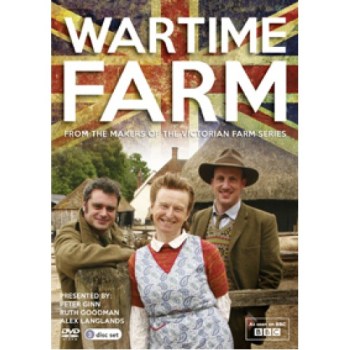
How we lived and how we ate during the war, as in WW2, has been well publicised recently with the excellent BBC programme Wartime Farm, but, my plan to try to live off wartime rations started earlier this year, when I attempted to live on £1 a day – Meal Planning Monday: Live Below the Line ~ Live on £1 a Day for 5 Days to understand Food Poverty. It was hard, and I fell off the wagon on a couple of occasions, but it brought to mind how it must have been to live on rations not for one week, as I did, but for more than fifteen years, as the population of Great Britain did during and AFTER the war. Wartime rationing is well-known, but what is not so well-known is that rationing in the UK went on until 1954…….that is a VERY long time of coupon cutting and trying to be inventive and thrifty in the kitchen. The more I thought about it, the more I knew that I wanted to attempt to live off WW2 rations for at least a week. So, I asked two of my friends, Janice from Farmersgirl Kitchen and Fiona, from London Unattached if they would like to join me, and thankfully (it’s always better to have some moral support) they both agreed.

Never has ration book cooking been so relevant in the modern-day kitchen as most of the population struggle to make ends meet during the recession; and, apart from the obvious relevance to thrift and frugal cooking, I also wanted to post my week’s ration book cooking challenge in the week leading up to Remembrance Sunday (and Armistice Day on the 11th November). Without making any political statements, I have been wearing my poppy with pride for the last few weeks; to me, it’s a small and humble gesture to all those men and woman who gave up their lives in all the wars, and by buying a poppy every year, I am happy to be donating something to the Royal British Legion, who continue to support all of those whose lives have been touched by war and conflicts. And now it’s my time to attempt to live off rations for one week.

WW2 Rations for One Person
So, what are the rations then? The list shown below is for one adult, a general list, as rationing and amounts changed and fluctuated throughout the war, and, there were different rations for children, pregnant women and those who worked for the war effort in factories etc.
WW2 Rations 1940: per one person (adult)
Butter: 50g (2oz)
Bacon or ham: 100g (4oz)
Margarine: 100g (4oz)
Cooking fat/lard: 100g (4oz)
Sugar: 225g (8oz).
Meat: To the value of 1/2d and sometimes 1/10d – about 1lb (450g) to 12ozs (350g)
Milk: 3 pints (1800ml) occasionally dropping to 2 pints (1200ml).
Cheese: 2oz (50g) rising to 8oz (225g)
Eggs: 1 fresh egg a week.
Tea: 50g (2oz).
Jam: 450g (1lb) every two months.
Dried eggs: 1 packet (12 eggs) every four weeks.
Sweets & Chocolate: 350g (12oz) every four weeks

Funnily enough the lack of sugar and fat doesn’t appear to be a problem for me, as I don’t take sugar in any of my hot beverages and I am always very scant with fat as I am on a low-fat diet! However, it will impact me when it comes to baking, which I do a lot. The eggs, or should I say the egg, will be a problem; but, as I live in the country, I have chickens and according to my dad, whose uncle ran a green grocers and had a small holding with rabbits and chickens, you could give up you egg ration in return for chicken meal, which I plan to do this week. Anyway, the first thing I did yesterday before I started my ration book cooking, was to make a loaf of bread, a National Loaf, with wholemeal flour and, curiously enough, a vitamin c tablet sometimes. Whereas we are used to wholemeal bread now and it has become part of the artisan bread movement, the UK was a nation of white bread lovers before the war, and the National Loaf was met with suspicion and dislike for most people. It was in 1942 that the government introduced the National Wheatmeal Loaf which used all of the wheat grain including the husks. Bakers were banned from making any other type of bread except the national loaf, and The Federation of Bakers was formed in an attempt to assist and organise wartime production and distribution of bread.

The National Loaf for WW2
Recipe: The National Wheatmeal Loaf:
(Makes 2 loaves)
From: Ministry of Food – Jane Fearnley Whittingstall
1 ½ lb wholemeal bread flour
1 ½ tbsp salt
1 ½ tbsp dried yeast
1 dsp honey or treacle
450 ml tepid water
1) Mix together all the ingredients and knead for about 10 minutes until you have a soft dough. Place the dough in an oiled bowl, cover with a tea towel and leave until dough has doubled in size (around 2 hours).
2) Knock back the dough, give a short knead then cut into two equal pieces. Place in 1.5 litre loaf tins, allow to rise for a further 2 hours.
2) pre-heat oven to 200°c then bake loaves for 30 min. To test the loaves turn them out of their tins and give the base a tap. if it sounds hollow they are ready. Allow to cool on a wire rack.

Beetroot Sandwiches made with The National Wheatmeal Loaf
And now on to my meal plan for today, Monday 5th November:
Breakfast: One slice of National Wheatmeal Loaf with a scraping of margarine and 1 teaspoon of marmalade. Two cups of tea with milk and no sugar (about 1 tablespoon milk 30ml)

WW2 Rations Breakfast Day One
Lunch: Menu One from One-Pot Meals – Ministry of Food leaflet number 35:
Sausage Roll, Gravy, Carrots, Chopped Parsley Potatoes, Steamed Pudding with Jam

Sausage Roll with Carrots and Parsley Potatoes

Steamed Jam Pudding (Eggless)
High Tea: Beetroot Sandwiches made with a scraping of butter

Beetroot Sandwiches made with National Wholemeal Bread.
Some of the ingredients I used for my first day were not on ration, such as the sausages (although they were hard to obtain sometimes) and I also made my steamed sponge eggless too……but here’s what I have left for the remaining six days, based on two adult’s rations, as my husband is also joining me for ration book cookery week!
WW2 Rations 1940: Two Adults
Butter: 100g (4oz) Used about 1 teaspoon – 3 3/4 ozs (90g) left
Bacon or ham: 200g (8oz)
Margarine: 200g (8oz) Used 1 1/2 ozs (40g) – 6 1/2 ozs (160g) left
Cooking fat/lard: 200g (8oz)
Sugar: 450g (1lb). Used 1 1/2 ozs (40g) – 14 1/2 ozs (440g) left
Meat: To the value of 2/4d – about 2lb (900g)
Milk: 6 pints (3600ml) Used 300mls – 5 1/2 pints (3300mls) left
Cheese: 8oz (200g)
Eggs: 2 fresh egg a week – NOT taking this ration up as I have my own chickens
Tea: 100g (4oz).Used 1/2 oz (15g) – 3 1/2 ozs (85g) left
Jam: 900g (2lb) every two months. Used 2 tablespoons jam/marmalade – about 120g (41/2 ozs) left
Dried eggs: 1 packet (12 eggs) every four weeks
Sweets & Chocolate: 700g (1lb 8oz) every four weeks
Ingredients I used not on ration: flour, honey, salt, pepper, gravy browning (Bisto), leeks, sausages, onions, herbs, beetroot, breadcrumbs, carrots and potatoes.

Menu One from One-Pot Meals – Ministry of Food leaflet number 35:

Menu One from One-Pot Meals – Ministry of Food leaflet number 35:
Thus far, day one seems okay – the one pot meal menu was a Godsend and the other menus on the sheet are also tasty and easy to use within rationing. I also used my grandmother’s old Indian Tree plates for the meals, as, modern-day plates are larger, and the portions that these wartime meals yield are much smaller than today.

The Wartime Kitchen: Living of Rations with Ration Book Cooking – Day One
I also used an old “Quick Cooker Bowl” for my sausage roll, which, should have been steamed in two old baked beans tins, but there were none handy when I came to cook the meal…….hence the recipe name sausage roll I suspect!

The Wartime Kitchen: Living of Rations with Ration Book Cooking – Day One
In addition to the numerous books I used for reference, and I will list them throughout the week, plus all of the vital first-hand information and tales that I gleaned from my parents, who both lived through the war and rationing, I was very kindly sent a copy of “Wartime Farm” by Fiona Smith over at Octopus Publishing Group, and I will be posting my review towards to end of the week, as well as sharing what I learned from the book too. The book accompanied the very successful series that was aired on BBC2 and BBC HD recently.
That’s it for Day One, I will be sharing LOTS more recipes, tales, information and photos throughout the week, as well as a post on how I managed cooking in a Hay Box! As this is a meal plan of sorts, I am sending this over to Mrs M and her Meal Planning Monday link up, and, as you may see, I also have a link-up at the bottom of this post, where all of our collective post will be added from me, Fiona and Janice – so you can all visit them and see how they are managing with their living of rations for a week too. I hope that you will join me every day for my Wartime Kitchen: Living of Rations week……see you later, Karen.

Sausage Roll, Gravy, Carrots, Chopped Parsley Potatoes, Steamed Pudding with Jam

Sausage Roll, Gravy, Carrots, Chopped Parsley Potatoes, Steamed Pudding with Jam

Sausage Roll, Gravy, Carrots, Chopped Parsley Potatoes, Steamed Pudding with Jam

Sausage Roll, Gravy, Carrots, Chopped Parsley Potatoes, Steamed Pudding with Jam

Sausage Roll, Gravy, Carrots, Chopped Parsley Potatoes, Steamed Pudding with Jam
Why not join Janice and Fiona on their Wartime Kitchens?


Jean says
What an admirable thing to do.
When I see the stuff people have in their supermarket trolleys, all the ready-made meals and prepared vegetables, not to mention the wildly exotic things and the green beans flown half way around the world, it makes me wonder how we have gone so wrong with our food. Then there’s the mountains of food we throw in our dustbins, not to mention the tons of stuff wasted because it’s the wrong shape for Tesco. It’s totally insane.
I recently sorted through some old 1940’s and 50’s knitting patterns and the largest size in the ladies’ knitwear was a 38″ bust. I think a modern version of the wartime diet would be good for all of us.
Karen says
Thanks so much for your supportive comments Jean.
I also look askance at the loaded supermarket trolleys, and wonder just how we would manage on rations nowadays, and whether we have the culinary eduction to be inventive in the kitchen with the small amounts of rationed fat, sugar, meat, tea and sweets etc.
I agree we must have been much fitter and healthier, and a 38″ bust would have been regarded a someone rather busty, when today, it’s about normal!
Karen
PS: Do keep checking back daily as I post my ration book diary! 🙂
Janice says
Such a lovely traditional looking meal, you have made Karen. That steamed pudding looks great! I think us country girls will have it a little easier than Fiona in the BIG SMOKE!
Karen says
Thanks Janice! I was also VERY taken with your lovely sausage pie on your post today……very tasty, and if we were closer, I could swap some of my eggs with you, as I notice you have used your weekly allowance already! BUT, as you say, your pie/tart makes two meals, so that is thrifty on the oven!
I bet us country girls will find it easier than Fiona in the Big Smoke!
Kathryn says
Such an interesting post and such a good idea, I really enjoyed reading this and I so look forward to seeing how you get on this week!
Karen says
Thanks Kathryn, it will be interesting, and a little humbling too, when you think of all the food waste we have nowadays! Karen
FoodieQuine says
What a fantastic idea! I have been planning on blogging something similar since watching Wartime Farm and a visit to Bletchley Park. Will be watching your progress with real interest. Good Luck!
Foodie Quine says
What a fantastic idea! I have been planning on blogging something similar (on a much smaller scale) since watching Wartime Farm and a visit to Bletchley Park. Will be watching your progress with real interest. Good Luck!
Karen says
Thanks so much! Why don’t you join in if you have time and add your posts to the link we have? Do keep coming back to see how the week progresses……Karen
Alice says
Having grown up in those war years in London and eating via the ration book there are a few words that jar my nerves till to-day and they are “We will make do”
A can of peaches was given to us at school from, the USA and the whole family had half of one as a very special treat. Eggs were in the form of powder–not a great success for cake making. Was not sure when buying Rabbit that it was not Cat so many went missing.
Lining up for an hour or so waiting for your turn at the butchers, only to find the piece you had your eye on was sold and you got what was left, if any.
As a kid the big treat was a bottle of Tizer and a jam sandwich for a pinic over the park that was full of bard wirer. I also did not enjoy the Pom potatos that was closer to wall paper glue and gravy that could be cut via a knife and the extra meat found in the cauliflower that was school lunch. The up side to all this Yes we were slimmer and healther for it. Do I wish to repeat it sorry No I will stick to my veggie diet but will be interested in your results.
Margereta Patton was the Julia Child of her day and she wrote many many recipes for “stone soup” her cook books can still be found and my help you in your quest.
As an aside the last item to come off of rationing was sweets wherein the shops were sold out within minutes, so the govenment put them back on again for another few years.
Adults received 4ozs and in my home the kids got 2ozs per week. I would buy the bar of chocolate by Cadbury that had 6 squares all with differet filling so I got to eat one per day, provided my siblings did not find my hiding place first.
Karen says
THANKS so much Alice for all of your interesting comments and observations…..I read them all with great interest, and there were some familiar sentiments in your reply that I often hear my mum and dad talk about!
I have several Marguerite Patten books on wartime recipes, which, as you say have proved to be VERY informative and helpful.
I am almost a vegetarian, I do eat fish a lot, but the lack of meat won’t really upset me, but my husband is a big meat eater!
I hope you will pop by daily to see how I am doing, and if you have any recipes or meal ideas, I would love to hear them!
Karen
Ireen Potter says
I am old enough to remember almost everything you have written. We lived in the colonies as they were called but we still did without and made do! I do agree with you that the waste we see today is shocking. I try to live simply and my goodness it’s much cheaper.
Karen Burns-Booth says
I cook from scratch in my kitchen nearly all the time, and nothing goes to waste too!
Food Stories says
Very interesting reading … Loved your post & bread recipe 🙂
Karen says
Thanks very much! More to come every day this week! Karen
Kim says
Hello there,
I’ve just found your blog via Twitter and really enjoyed reading through this post.
I loved the Wartime Farm series and I think it was a fantastic eye-opener to the amount of food one person had on rations and the creativity needed to make the most of what they had.
A few months ago, my husband and I started shopping for our weekly groceries within a set budget of £50 per week for all of our food, household goods etc to reduce our outgoings and also to be more mindful of what we spend generally (still more generous that rations I’m sure!)
As a result I now plan our weekly menu and food buying which makes you very aware of the price of everything and gets you into a do-we-really-need-that mentality.
We have an allotment so we are able to supplement our food shop with some of our own veg and I think we save money through making our own bread, pastry, jam, snacks such as homemade granola bars, chicken stock etc.
I’ll continue to follow your rationing challenge with interest!
Karen says
Hello Kim, so nice to meet you, and I am delighted that you have found my first post interesting.
I am very impressed with your £50 a week shopping limit, and it is something that my husband and I try t do too…..about £40 to £50 a week – heavily supplemented by home grown produce, just as you have with your allotment as well as my hen’s eggs too.
The wartime farm series was wonderful wasn’t it? And also rather humbling when you see how little we all had to live on and how hard we all worked, and as a team too. I have thoroughly enjoyed the book and will be covering the book later on in the week.
What I have enjoyed with the WW2 diet is the abundance of veggies used in all the recipes, fillers and healthy too!
Hope to see you on day two onwards…..
Karen
Sandi says
I really enjoyed reading this! It is very interesting, thank you.
Karen says
Thanks Sandi, I am posting a new article every day for a week, with recipes and photos, so I hope you will find them all interesting. Karen
Meg says
Karen, I discovered your WW2 rationing challenge via Twitter. Good luck with the coming week! I hope that you will find it stirs your creativity as well as it just being a ‘challenge’. I also hope that the recent Wartime Farm series inspires more people to adopt more of the wartime resourcefulness.
I have been fascinated with rationing for a long time, for environmental reasons as much as dietary/household management. I have unofficially adopted WW2 clothing rationing this year as an experiment. As for the food rationing, I am surreptitiously phasing wartime quantities and practices in at home – bit by bit without labouring it. Whilst saving pennies in these frugal times is a consideration, the rationale for limiting our meat, eggs and animal fats are as relevant today as during the war. With a growing population there is such competition for agricultural land globally that growing grains for animal fodder for a animal protein-based diet is becoming increasingly untenable.
Karen says
Hello Meg, and thanks so much for your comments……well said, and I agree with so many of the points that you have made.
I am very much treating this a creative as well as thrifty way of using less food in my daily menu, as well being healthier with less meat, sugar and fat and with more vegetables, which, luckily I like. The meal I made today was economical not just due to the ingredients I used, but also in energy, as I cooked the WHOLE meal in a three tier steamer! And, it also tasted delicious……not at all bland as I had expected.
I am not a huge meat eater anyway, so the meat ration, as well as the sugar and fat ration, will not impact on me that much, although, I do love baking, so there may be a problem there – but I have a few egg free and fat free recipes lined up.
I am very interested to hear about your unofficial WW2 clothes rationing project, how are you managing? It is all fascinating, and very relevant to today I feel.
Many thanks once again for your interesting input, and I hope you will find the rest of my week of rationing interesting.
Karen
Dominic says
a fascinating post Karen and well done you for taking part, what an excellent idea!… I must say the pictures of the sausage roll and your gingham background make it all look rather spiffing!… how very 1940’s of you… hoorah!
Karen says
I am really liking the challenge, and I have discovered some fascinating recipes in old recipe books, and in ministry of food leaflets. Karen
Jayne says
Well done Karen! What an interesting post! Good luck for the rest of the week.
Karen says
Thanks Jayne, I am enjoying it thus far, but it’s only day one! Karen
Jess @ Catch A Single Thought says
I’ve just come across your blog through Mrs M’s linky. What an absolutely fascinating thing to do! I will certainly be following your progress. Good luck for the rest of this week!
Karen says
THANKS so much Jess, it’s nice to meet people through Mrs M’s meal plan link and I will pop over to visit you later! Karen
All That I'm Eating says
This is brilliant Karen. I have always been curious about what it would be like to live off rations today, it’s so nice that Fiona and Janice are doing it too! Can’t wait to see how it goes and what you end up making, it’s really interesting.
Karen says
Thanks! I am just about to post Day 2 now and with more WW2 ration book recipes too! Karen
Carol says
Hi Karen, I don’t know if you still keep up with this blog but I’m fascinated by WW II food rationing. Can you tell me how many servings the sausage roll is supposed to be?
Karen Burns-Booth says
HI Carol, I still write for my site regularly! This will serve 4 people! Karen
Vanessa @ Cakes and Teacups says
This brings back memories of my gran who I loved dearly. She was the reason I started my blog. She used to tell me stories on how she used to sew the uniforms for the soldiers. She was born in 1919 so she was in her young 20’s at the time. She would always tell us not to waste food and make sure to finish everything on the plate and now I understand. I couldn’t begin to imagine what she had gone through. What a lovely thing you are doing Karen, to give insight oh how people ate and how much rationing they had to do.
Karen says
Thanks Vanessa, and thanks for sharing your lovely memories of your grandma with me too…….my gran was the same, waste not want not and the plates had to be clean! I am so pleased that that this has brought back happy memories, memories through food and grandparents should be cherished. Karen
Lauren - Big Eejit says
This is fascinating! What a wonderful thing to do. I’ll look forward to future posts!
Karen says
Thanks Lauren, there are posts for day one and day two as well…..Karen
Sue says
Another reason I am sorry to have lost your blog. Wartime rationing absolutely fascinates me. A few years ago I put my family on rations for a fortnight and documented the experience on a money-saving forum. I really enjoyed it and still regularly make some wartime recipes. I can see not much is going to get done around here today as I catch up with your blog.
Karen Booth says
Thanks Sue! Likewise, I will be taking a trip over to The Quince Tree later, I can’t comment via iPad on blogger, but I an catch up and enjoy a leisurely read and comment via laptop later……..a fortnight on rations is what I would like to try next time, as I was only just getting into the swing of things after a week. One thing that I realised very quickly was just how BIG our portions are nowadays, it was very humbling to see how little housewives had to work with during rationing, and yet some of the recipes are so imaginative and very tasty too.
Fiona Matters says
I hadn’t read the first in this series before. Really interesting. I also love the idea of the sausage roll too.
Maya Russell says
That was a difficult challenge. Well done. Enjoyed reading the post.
Joanne T Ferguson says
G’day! What a wonderful blog post that I thoroughly enjoyed and brightened my day! Thank you!
Cheers! Joanne
Karen says
THANKS so much Joanne! Glad you enjoyed the post! Karen/FT
Kate @rosehipsrhubarb says
I have just discovered your series on war rationing and am finding it absolutely fascinating. Here in Australia rationing wasn’t as severe as in the UK, but my Mum, who was born in 1939, remembers shopping with her mother and filling out their ration book.
It looks like these quantities would have been much tougher for single people than large families. 1.5 kg (approx) of fats and sugar per week for a family of six would have been fairly easy to manage, and six eggs might have meant a cake was possible.
Karen Burns-Booth says
Thanks Kate, I’m so pleased you enjoyed my WW2 series, and thanks for sharing your mum’s rationing memories too, I find things like that fascinating.
I agree, it was much harder for single people and even couples to cope on such meagre rations whereas a large family had more at their disposal.
Karen
Alison Harrriman says
Just found you and this post thanks to Pinterest. That National Loaf looks delicious. I love wholewheat (the term we Canadians use for your wholemeal) so I’m going to give it a try and revive my long under used baking skills. It’s fascinating, isn’t it, to realise you really can live perfectly well with less, something I think the war years and beyond proved.
Karen Burns-Booth says
Thanks so much for stopping by to leave these wonderful comments and so let me know if you make the bread too! Karen
Linda says
I absolutely love this idea and very much appreciate this post. Thank you so much for sharing, and Merry Christmas from Montreal, Canada. 🙂
Kim says
I’ve an interest in how food stamp rationing works, and how that translates to actually creating a meal plan, so when I searched for the info, your blog turned up. I’ve read through your intro and day one and shared of FB. Can’t wait to read more. This must have been a fascinating journey for you!
I’m curious how someone who needs a different diet composition could cope with rations like these. For instance, I had to see a nutritionist twice over the last seven years due to health problems, gestational diabetes and later chronic pain and chronic migraines. Both nutritionists told me to throw out the food pyramid and eat according to the following:
1/3 carbs(primarily vegetables, but also includes all vegetables and grains-though I had to give all grains up for 6 weeks)
1/3 protein(animal meats, legumes and nuts(had to leave off both of those for a while as well)
1/3 healthy fats (mostly avocados and coconut products-meat, oil and milk, and again nuts and healthy oils)
No dairy at all. Only organic products.
So since living on this diet is a fair bit different, I can’t even imagine how someone with these needs would cope with rationing, unless they lived on a far and could trade chickens and eggs, meat butter and chesse, and produce on the market.
Again, thanks so much for creating this blog. It’s so helpful when trying to comprehend rationing.
Karen Burns-Booth says
Thanks Kim – I am having wi-fi issues at the moment, and am at a friend’s house using her wi-fi, so will reply in full later, Karen
Susan Peach says
Hello Karen, and thank you so much for this site. I am in my fifth year of a degree for Regional and Local History. I live in East Yorkshire, and our final module is World War Two. My chosen first essay is food and rationing in this period. I have researched many books and sites, and have many wartime cookbooks, (I love this period, the clothes, everything), I have found your site wonderfully refreshing. You are actually experiencing the way it would have felt to have smaller portions, and go without, how it feel to be more inventive with what you have, and I applaud you. I have entered your site in my bibliography, and proud to do so.
Best Wishes
Sue Peach
Karen Burns-Booth says
Hello Sue,
THANKS so much for your wonderful endorsement of my site, recipes and research, and also for adding my site to your bibliography too – I am delighted that you were able to find some of my recipes and research into the style of eating during WW2 relevant to your studies.
I am in the process of sharing more recipes and research from the period, so do keep popping back to see what I have discovered!
Karen
jonn catron says
How did you use and work with the 16 points a month they got.
Karen Burns-Booth says
Hello John,
If you read all of my posts, you will see that we all managed very well! I have added recipes and my daily notes to all of the posts too!
Karen
Barbara Steward says
The fruit pudding looks mouth watering and perhaps in the right season we would pick from the bushes but my husband splashes the cream on puds, he would have to do without then?
Dandelions are tasty to eat, full of goodness and nettles a highly nutritious food…not keen on the taste though.
I love the tiny waists the war time diet seemed to create and we do seem to eat large portions now.
I was told your tummy gradually shrinks as you eat less, will power needed! The smaller plate idea sounds great.
Karen Burns-Booth says
Thanks Barbara – The pudding was really tasty and we both noticed that the portion sizes were much smaller than we are used to now! Karen
Shari says
Hi! I know this is an old post but I’ve just discovered it and wondered how I would cook the sausage and pudding if I don’t have a steamer or quick cooker bowl. I’m in the US and not sure if we have those bowls here or not. Thank you!
Karen Burns-Booth says
Hello Shari, Can’t you put it in a heatproof bowl, cover it and then add it to a pan of boiling water, like a bain marie? With the water half way up the sides of the bowl? Karen
Mairi Drummond says
Hi Karen,
Just found your wartime recipes section while looking for some 5:2 recipe inspiration…
I do love the sound of the black pudding hotpot – I bet my husband would enjoy it as well – he was brought up on boiled black pudding.
A to your comment about the Vit C in the bread recipe, when I went to school in the 1970’s the home economics teacher still taught us to put Vit C in our bread to encourage it to rise.
Thanks again – I’m reading through your posts with great interest.
Mairi
Karen Burns-Booth says
Hi Mairi,
I am so pleased you have discovered me and my site, and thanks for the lovely comments too!
I also remember being taught to add a vitamin c tablet to bread in Domestic Science too…..for exactly the same reason!
Karen
Nicole says
I am so intrigued by this! The recipes actually sound good to me and your food looks delicious. I could use to shed a few kilograms and save money on food. If I didn’t have such a picky eater for a boyfriend (Veggies? Eeeww!! Salad? Forget it!! – but he constantly complains about his weight…), I would totally give this a try.
P.S.: I just finished watching Wartime Farm. My only complaint about it: It was way too short! It should have been at least 12 episodes!! 🙂 As a German, even though I was born long after WWII, I found it difficult to watch at times because it made it so clear how much suffering Germany inflicted (not only) upon England.
Debs Frazer says
Came across this post as my daughter is doing WWII at school. A few years ago, 2010 I think, we managed to live off £1 per person per day for the whole of Lent, so £35 for our family of then 5 instead of £100-120. It took quite a lot of planning with spread sheets. I shopped at 3 places. We had more carbs and less meat than usual, no treats (chocolate bars and fruit juice), cheapest brands of stuff but we managed it with a little to spare. We saved over £400 with which we bought Oxfam living gifts (I remember 3 year old being very disappointed because she thought we were getting a goat and chickens for our back garden!) On Easter Sunday we had a feast. The children invited a friend and chose something they had missed to eat. It can be done with a bit of planning but think it would be harder now with prices having risen and also because our son is now a 6’3″ hollow-legged gannet!
Karen Burns-Booth says
I love this so much Debs! This is exactly the spirit in which I shared these living off rations posts.
I love what you did with your savings too, such a worthwhile cause.
Thanks for sharing this,
Karen 🙂
Christine Peach says
I am writing for my niece the story of our family,I can remember the war born1932 but which year was flour rationed
Karen Burns-Booth says
Flour wasn’t rationed as such, but bread was, and you could only get wholemeal flour and buy bread called the National Loaf which was made with with wholemeal flour.
See here:
Recipe for National Loaf
Karen Burns-Booth says
Janet Smith says
I was a child during the Second World War. I remember the lovely neighbour who kept bantam chickens. He would bring an egg for me each week and mum cut ‘soldiers’ for me to dunk in the yolk . I never went hungry so mum must have been a good manager.
Karen Burns-Booth says
Thank you for sharing your memories here Janet – your mum must have been a great food manager as you say!
Kathy says
My Grandmother lived thru several American involved wars as a child and as a married woman with children and a far away soldier husband . She made bread twice a week sometimes and was an taught me how to cook. Lg garden that included fruit trees and root cellar. That was before my time.
I felt as though I were reading her stories.
Thank you so very much for your recipes.
Km
Karen Burns-Booth says
Thank you so much for your lovely memories and comments here Kathy! 🙂
Claire Geldart says
Karen,
What a fantastic page. I am now going to hopefully find the rest of the weeks rations diary to read. I find it all very interesting and would love to try and do this even for a few weeks. How did you and your friends find it?
Claire xx
Karen Burns-Booth says
Thanks Claire!
We all loved the challenge and we all lost some weight too!
Karen
Bez says
I found your site while looking for a list of wartime rations. I was short of cash and decided to do an online shop using the suggested rations. I am so delighted that my bill came to only £87 for a family of 8, whereas I normally spend well over £100. in a week. Yesterday I made the bacon potato cakes which used a surprisingly small amount of bacon, so I have some left for another meal.
My family absolutely loved them and asked if I would make them again. Can’t wait to try some other recipes. Thank you.
Karen Burns-Booth says
Thank you so much for letting me know, I hope you continue to enjoy my ration book recipes.